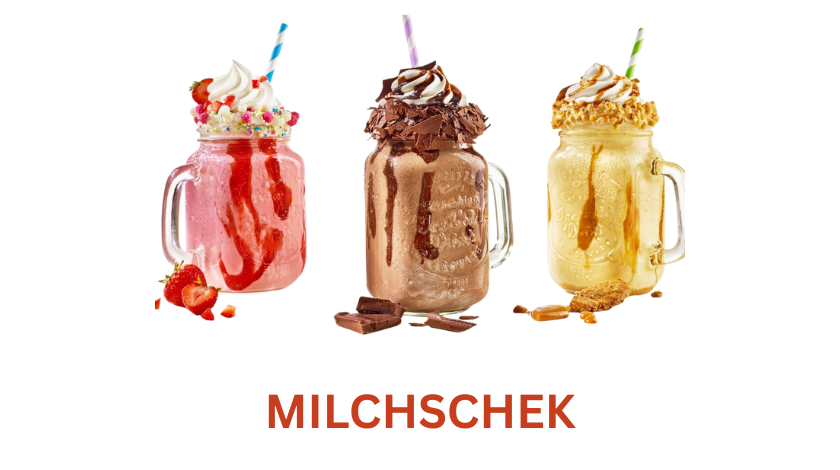
There is something incredibly nostalgic about a milkshake. For many of us, it brings back memories of sitting in a retro diner with a checkered floor, waiting for that tall, frosted glass to arrive at the table. I remember being a kid and watching the condensation drip down the side of the glass while I fought to get the thick, creamy liquid up through a straw. That first sip, which was usually difficult because the shake was so thick, always resulted in an immediate brain freeze, but it was worth every second of discomfort. As we get older, we sometimes forget how simple and joyful these treats can be. We settle for the watery versions from fast-food drive-thrus that are made with questionable ingredients, or we just stop drinking them altogether. But I am here to tell you that making a high-quality, diner-style milkshake at home is not only easy, but it is also an art form that anyone can master. You do not need expensive equipment or a degree in culinary arts to pull this off. All you need is a little bit of patience, the right ingredients, and an understanding of texture.
When we talk about making the perfect milkshake, we have to start with the most critical component, which is the ice cream itself. I have learned through years of trial and error in my own kitchen that you cannot hide bad ice cream in a milkshake. If you buy the cheapest tub from the frozen aisle that is full of ice crystals and artificial stabilizers, your shake is going to taste gritty and watery. You want to look for full-fat, premium ice cream. The higher the fat content, the creamier your shake will be. Vanilla bean is usually my go-to base because it is versatile, but a high-quality chocolate or strawberry works wonders too. When I make a shake for my family on a Friday night, I always take the ice cream out of the freezer about ten minutes before I plan to blend it. This step is something many people skip, but it is vital. You want the ice cream to soften slightly, known as tempering, so that it blends smoothly without requiring you to add gallons of milk to get the blades moving.
The Science of the Scoop: Mastering the Ratio
The biggest mistake people make when creating this beverage is messing up the ratio of solids to liquids. If you put too much milk in, you end up with cold chocolate milk, not a shake. If you put too little milk in, you burn out your blender motor trying to crush a rock-hard block of dairy. Over time, I have found that the “Golden Ratio” generally sits at about three large scoops of ice cream to roughly one-half cup of milk. However, this is not a hard law, and you have to feel it out. I usually start with less milk than I think I need. You can always add a splash more if the mixture is too stiff, but you can never take the liquid out once it is in there. When I pour the milk, I prefer using whole milk because it adds to the richness. I have tried using skim milk in the past to save a few calories, but honestly, if you are committing to drinking a milkshake, you might as well go all the way and enjoy the decadence of full fat.
Another aspect of the science involved here is the blending time. It is very tempting to turn the blender on high and walk away for a minute, but that destroys the texture. You want to pulse the mixture. Short bursts of power help to break up the ice cream without generating too much heat. If you blend it continuously for too long, the friction from the blades heats up the mixture, and you lose that thick, frosty consistency that makes a milkshake so enjoyable. I like to pulse it until it is just combined but still has a tiny bit of texture to it. It should move slowly in the glass when you tilt it. If it sloshes around like water, you have over-blended or added too much liquid. In that case, the only fix is to add another scoop of ice cream and pulse it again briefly.
Essential Equipment for the Best Texture
You might think you need a high-powered, professional blender like a Vitamix to make a good shake, but that is not necessarily true. While a good blender makes the job easier, I have made fantastic shakes using a standard, cheap kitchen blender. The trick with lower-power blenders is to let the ice cream soften more before you start. If you do not have a blender at all, do not worry because you can still satisfy your craving. I have used what I call the “Jar Method” many times when I was in college or staying in a vacation rental with a poorly stocked kitchen. You essentially take a large mason jar, put your softened ice cream and milk inside, screw the lid on very tight, and shake it like your life depends on it. You can also use a spoon to mash it up first. It takes a little more elbow grease, and it might have a few more lumps than a machine-blended drink, but it tastes just as good.
For those who want to get really fancy, you can use an immersion blender, also known as a stick blender. This is actually my favorite tool for making single-serving milkshakes because it is so easy to clean up. You just put your ingredients in a tall cup, stick the blender in, and move it up and down. It gives you a lot of control over the texture because you can target specific chunks of ice cream that have not broken down yet. Plus, washing one metal stick is much less annoying than taking apart a giant glass pitcher and washing the gasket and blades separately. If you are a milkshake enthusiast, investing thirty dollars in a stick blender is a game-changer for your kitchen workflow.
Top 3 Classic Recipes You Must Know
Let us talk about flavors, starting with the king of all shakes: The Chocolate Milkshake. To make this truly spectacular, do not just rely on chocolate ice cream. I like to use a base of vanilla ice cream and add chocolate syrup or, even better, chocolate ganache. The reason I use vanilla ice cream as the base is that it allows you to control the chocolate intensity. If you use chocolate ice cream, the flavor is sometimes a bit flat. But vanilla ice cream mixed with a high-quality cocoa powder or fudge sauce creates a depth of flavor that is sophisticated and rich. I also like to add a tiny pinch of sea salt to my chocolate shakes. It might sound strange, but the salt wakes up your palate and cuts through the sugar, making the chocolate taste more intense.
Next is the classic Vanilla. This sounds boring to some, but a real vanilla shake is a thing of beauty. For this, you absolutely need to use ice cream that has real vanilla bean specks in it. To elevate it, I add a splash of real vanilla extract, not the imitation stuff. The alcohol in the extract evaporates or blends in, leaving behind a floral, aromatic sweetness that you just cannot get from the ice cream alone. This is the perfect shake to pair with a burger and fries because it is clean and refreshing.
Finally, we have the Strawberry shake. The biggest problem with strawberry shakes is that they often taste artificial because people use pink syrup. I strongly recommend using fresh or frozen strawberries. If you use frozen berries, you might need a little extra milk to get the blades moving. I like to toss the strawberries in a little bit of sugar and let them sit for ten minutes before blending; this draws out the juices and makes the berry flavor pop. When you blend real fruit into the shake, you get these lovely little bits of texture and a tartness that balances out the sweet cream perfectly.
How to Make a Milkshake Without a Blender
I touched on this briefly, but let me explain the manual method in more detail because it is a great skill to have. If your power goes out or you are just trying to be quiet late at night so you do not wake up the house, you can make a “stirred shake.” You need a large mixing bowl and a sturdy whisk or a wooden spoon. Put your ice cream in the bowl and let it sit on the counter until the edges are starting to melt. Pour your milk over it. Then, you simply start mashing and stirring. It is almost like making a cake batter. You mash the ice cream into the milk until it becomes a uniform consistency. I actually prefer this method sometimes because it ensures the shake is incredibly thick. Blenders require liquid to move, but a spoon does not. This means you can get away with using very little milk, resulting in a dessert that you can eat with a spoon rather than a straw.
Elevating Your Drink: Mix-ins and Toppings
Once you have mastered the base, the fun really begins with mix-ins. This is where you can let your personality shine. One of my favorite things to do is crush up Oreo cookies or graham crackers and fold them in at the very end. If you put the cookies in at the beginning and blend them, they turn into dust and make the shake gray and muddy. But if you pulse them in at the very end, you get crunchy chunks in every sip. You can also experiment with sauces. Swirling caramel or peanut butter down the inside of the glass before you pour the shake looks professional and adds a flavor ribbon that changes the taste as you drink it.
We also need to discuss the “Malt.” A lot of people today do not know the difference between a milkshake and a malt. A malt is simply a milkshake that has malted milk powder added to it. This powder, which is made from barley, wheat flour, and evaporated whole milk, has a distinct, savory-sweet, nutty flavor. It is the key ingredient in the inside of a Whopper candy ball. Adding two tablespoons of this powder to a vanilla or chocolate shake transforms it completely. It gives it that vintage diner taste that feels warmer and more complex than a standard shake. If you see “malted milk powder” in the baking aisle of your grocery store, buy it and try it. You will likely never go back to plain shakes again.
Healthy and Vegan Alternatives
I have friends who are lactose intolerant or vegan, and for a long time, they felt left out of the milkshake experience. Thankfully, the quality of non-dairy alternatives has skyrocketed in recent years. You can make an incredible vegan milkshake using oat milk ice cream or coconut milk ice cream. I find that oat milk is the best liquid base because it is naturally creamy and has a neutral flavor that does not overpower the other ingredients. Coconut milk is great too, but it definitely makes everything taste like coconut, so you have to want that tropical vibe.
For a healthier version, I often make what I call a “breakfast shake” for myself. instead of ice cream, I use a frozen banana. When you blend a frozen banana, it achieves a texture that is shockingly similar to soft-serve ice cream. I blend the frozen banana with a scoop of protein powder, a spoonful of peanut butter, and some almond milk. It is thick, creamy, and satisfies that desire for something sweet, but it is packed with protein and potassium. It is a great compromise when you want a treat but also want to stay on track with your health goals.
Common Mistakes to Avoid
Before you rush to the kitchen, let me warn you about a few pitfalls. The biggest one is adding ice cubes to the blender. Please, never do this. Adding ice cubes to a milkshake waters it down and creates little crunchy shards of ice that ruin the velvety texture. The coldness should come entirely from the frozen ice cream and the cold milk. If you want it colder, freeze your serving glass beforehand. Another mistake is using low-fat ingredients. As I mentioned earlier, fat equals flavor and texture in the world of frozen desserts. If you use skim milk and low-fat frozen yogurt, you are going to get a thin, unsatisfying drink.
Another common error is over-filling the blender. If you are making shakes for a group of four people, do not try to jam everything into the blender at once. It will not blend evenly; the bottom will be liquid while the top is still solid. It is much better to make them in batches of two. This ensures everyone gets a consistent texture. Also, serve them immediately. A milkshake is a ticking clock. From the moment it hits the glass, it starts melting. It is meant to be consumed right away, preferably with a long spoon and a wide straw.
Conclusion
Making a milkshake at home is one of the highest reward activities you can do in the kitchen for the least amount of effort. It brings people together. I have never seen someone frown while holding a milkshake. Whether you stick to the classic vanilla, experiment with malt powder, or go for a dairy-free frozen banana version, the key is to respect the ingredients and take your time with the process. Don’t rush the blend, don’t skimp on the quality of the ice cream, and always enjoy that first brain-freezing sip. So, go check your freezer, grab your blender (or a jar), and treat yourself to a little bit of creamy happiness today.
Frequently Asked Questions (FAQ)
1. Why is my homemade milkshake so runny?
Your milkshake is likely runny because you added too much milk or you over-blended it. The friction from the blender blades creates heat, melting the ice cream. To fix this, use less milk next time, or add another scoop of frozen ice cream to your current mixture to thicken it up.
2. Can I make a milkshake without ice cream?
Yes, you can! The best way to do this is by using frozen fruits (like bananas) or frozen heavy cream cubes as a base. You can also blend ice, milk, sugar, and vanilla extract, though the texture will be more like a slushie than a creamy shake.
3. What is the difference between a milkshake and a malt?
The only difference is the addition of malted milk powder. A milkshake is milk, ice cream, and flavorings. A malt includes all of those ingredients plus a spoonful of malted milk powder, which gives it a distinct nutty, toasted flavor.
4. How do I store a leftover milkshake?
Honestly, milkshakes are best enjoyed fresh. If you try to freeze a leftover milkshake, it will freeze into a solid block of ice that is hard to eat. If you must save it, put it in the freezer, but you will likely need to let it thaw for 20 minutes and re-blend it to get the texture back.
5. What is the best type of milk to use?
Whole milk is the gold standard for a rich, creamy texture. However, you can use 2% milk if that is what you have. Heavy cream creates an incredibly thick and decadent shake, while almond or oat milk works great for dairy-free versions.